
Inside the Wayne County Most Wanted Program
Wayne County runs an apprehension program without a public roster attached to it. The Sheriff posts no official most wanted page, no Crime Stoppers partnership list, no reward schedule, and no fugitive roster. Instead, the public site centers on what residents can act on: contact information, jail and inmate inquiry, bond rules, court security, and records request channels. That absence is a publishing choice, not a gap someone left unfilled. It also means a third-party page printing names and photos under a Wayne County most wanted banner is not an official product. Treat anything it says as possibly old, incomplete, or simply wrong, and take questions about status back to the issuing court.
Note: Nothing on this page reproduces a name, a photograph, or a roster entry from any official or unofficial wanted list.
Why No Wayne County Most Wanted Roster Was Located
Publishing wanted names is a choice, never a requirement. Each sheriff decides whether to post a list, how often to refresh it, and what belongs on it. In Wayne County, the Sheriff has built its public presence around custody and bond information, which helps people who already have a name to look up. The courts take a different route. The Third Circuit offers public case search for Circuit matters, while the 36th District Court provides case inquiry plus a traffic and warrant request form for Detroit. None of these tools is a curated list of people to watch for, and none should be used that way.
How Wayne County Most Wanted Lists Work
Where a county does publish wanted names, the list is a narrow slice of a far larger caseload. Programs usually pick cases by severity, by how old they are, or by an agency's enforcement priority, and each refreshes on its own schedule. The courts keep the full set of active warrants. Wayne County adds a layer no list would capture. Its fugitive work runs through the Fugitive Apprehension Service Team, a joint unit of Detroit police and Sheriff deputies, plus a federal task force for cases that cross state lines. Both are enforcement operations, not public directories, so a warrant search belongs with the courts rather than with either team.
FAST and Wayne County Most Wanted Apprehensions
The Fugitive Apprehension Service Team pairs Detroit police officers with Sheriff deputies to pursue people with outstanding felony warrants in Wayne County. Gun-crime warrants get priority. One official county release reported 1,102 apprehensions by the team in 2025.
Treat that figure as a workload measure. Wayne County does not use it to list active warrants, and no one in it is someone a reader should hunt down.
The Task Force Behind Wayne County Most Wanted Cases
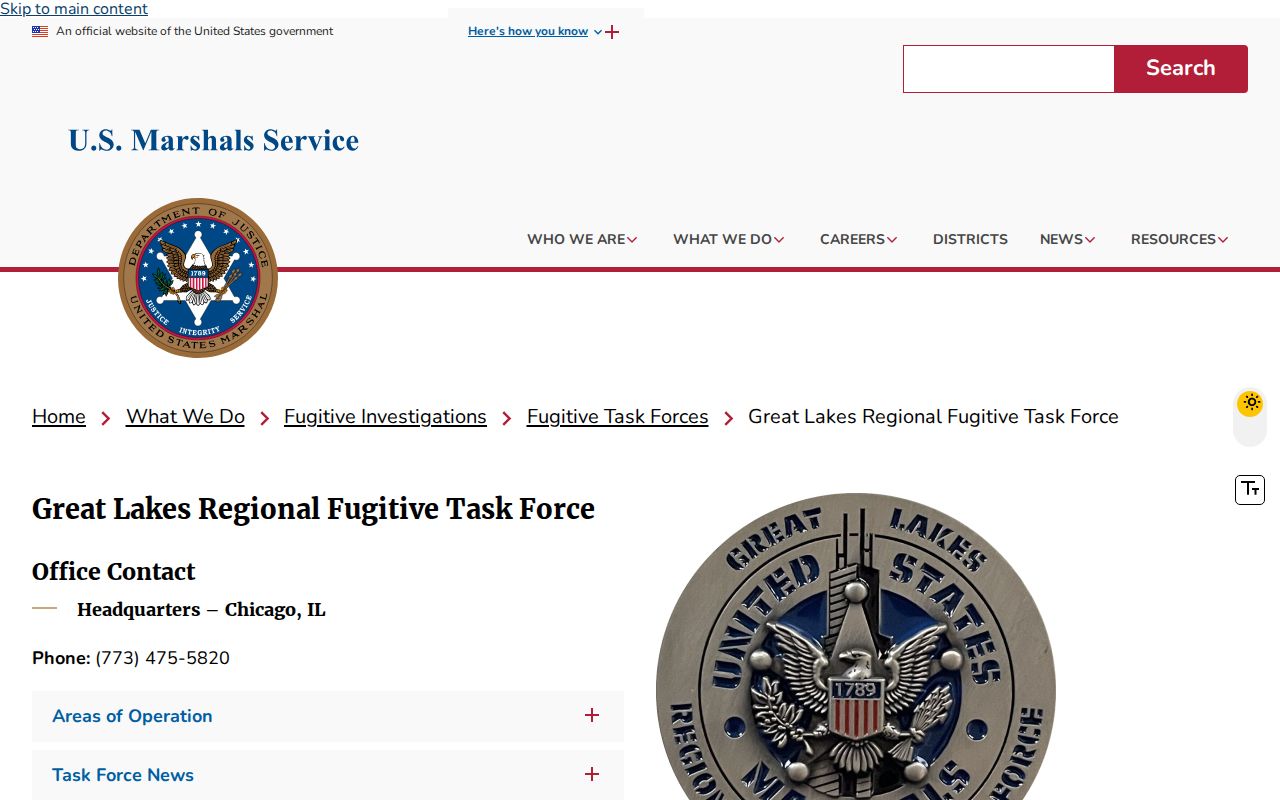
Federal and cross-jurisdiction fugitive cases in this region run through the Great Lakes Regional Fugitive Task Force. The U.S. Marshals Service operates it with state and local partners. The team works warrants that cross county and state lines. It is an enforcement program, not a public list for Wayne County readers. The task force program page names the partner agencies and spells out the mission.
A Wayne County court cannot confirm a sealed federal warrant. The federal courthouse in Detroit is not a walk-in warrant counter. Federal questions belong with federal counsel.
Sending a Most Wanted Tip Safely
When a county does publish wanted names, the tip channel belongs to that program. Use the contact it prints. Wayne County's Sheriff publishes a narcotics tip line, but the office does not describe it as a warrant tip or reward line, so treat it accordingly.
Safety basics: Call 911 if someone is in immediate danger. Do not approach a person you believe is wanted, and do not try to detain anyone yourself. Give the tip line the information you actually have, and let the agency decide what to do with it.
Crime Stoppers programs exist in many Michigan counties and sometimes pay rewards. The Wayne County Sheriff lists no most wanted partnership with a published reward schedule.
What a Wayne County Warrant List Would Show
If a Wayne County roster appears later, inspect the interface rather than any person on it. A well-built list shows where the information came from. It shows when it was refreshed and who to call about a mistake. Until that exists, the issuing court remains the source for status, and a clerk can confirm whether an order is active, served, or recalled.
| As-of date | The last update, which decides whether the entry is worth anything. |
|---|---|
| Issuing court or agency | The authority behind the warrant and the office that can confirm it. |
| Warrant label | Felony, misdemeanor, bench, or a task force case. |
| Status | Active, served, recalled, or canceled, with the date of the change. |
| Contact route | The tip or warrant line the program actually staffs. |
| Disclaimer | A statement that absence from the list means nothing. |
How Most Wanted Differs From an Active Warrant
People use the two terms as if they meant the same thing. They do not. A curated list is a small, edited selection. The active warrant set is everything the courts currently hold, including traffic, ordinance, and support matters no Wayne County most wanted program would ever feature.
| Point | Most Wanted List | Active Warrant |
|---|---|---|
| Scope | A selected subset, often felony cases | Every unserved warrant in a court's files |
| Published by | A sheriff, police agency, or task force | Usually not published at all |
| Refresh | Program schedule, sometimes irregular | Updated when the court acts |
| How to confirm | Only through the issuing court | Through the issuing court |
A missing name proves nothing. Wayne County posts no full warrant roster, so a blank most-wanted page cannot clear anyone; only the issuing court can. The Wayne County active warrant page covers how the courts handle warrant status.
When You Believe You Are Listed
Spotting your own name on a public wanted page is frightening. The right response is calm and procedural. Do not call the tip line to argue, and do not walk into a Wayne County agency unprepared to sort it out.
If you think you are listed: Contact an attorney first. Then confirm the case with the issuing court and ask what the judge allows, which may be a voluntary appearance under Michigan Court Rule 6.105, a scheduled bond, or a walk-in at the court's designated hour. A name match can be wrong, and identity errors happen.
Bring photo identification to any appearance. Ask how the recall will be recorded. The home page covers how to resolve a Wayne County warrant once the court confirms one exists.
Checking Your Own Wayne County Felony Warrant
For your own case, forget the public list and find the right court. A Wayne County felony charged in Detroit runs through the 36th District Court. Felonies elsewhere in Wayne County belong to the Third Circuit Court. Cities like Livonia or Dearborn route cases to their own district court, and the state court directory lists every one. Keep in mind that a felony that began in a district court can move up to the Circuit after a bindover. Once you know the court, call the clerk with your case number and date of birth. Ask whether the case shows an active warrant or capias, then ask what step comes next. Sheriff records requests cover records the Sheriff holds, which is a separate question from a court's warrant status.